 By
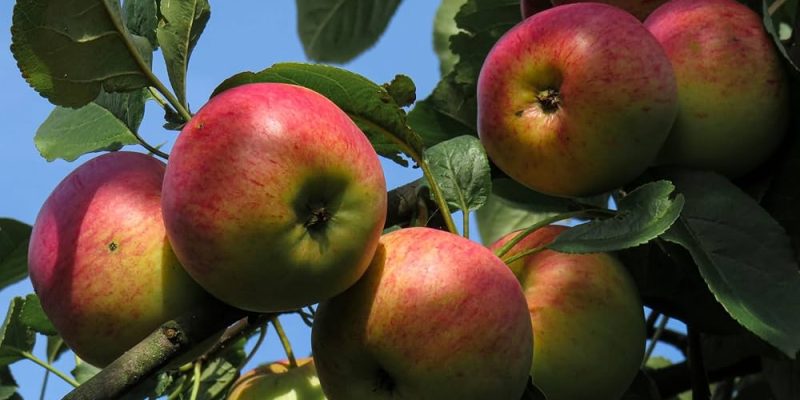
By Growing larger apples, pears and plums is rarely about chance. In established British orchards, fruit size is managed through careful pruning, balanced nutrition and thoughtful crop control. While soil fertility and weather play their part, the way a tree is cut in winter and summer has a direct influence on how much energy is channelled into each fruit.
For gardeners planning to buy fruit trees, understanding pruning from the outset can make the difference between a tree that crops modestly and one that produces consistently generous fruit. Even well-chosen varieties will underperform if pruning is neglected or poorly timed.
The fruit trees specialists at https://www.fruit-trees.com/ nursery advise that successful pruning begins with variety choice and rootstock selection, as these determine vigour and cropping behaviour. They note that customers exploring apple trees for sale should consider final tree size, spacing and pollination before planting, because a well-matched tree is easier to manage for both structure and fruit size. Their guidance emphasises that pruning should support the natural habit of the tree rather than fight against it, especially in the early formative years.
Drawing on insights from a British orchard specialist who manages both traditional standard orchards and modern intensive systems, this article outlines seven specific pruning cuts that have a measurable impact on fruit size. These techniques apply primarily to apples and pears, but the principles extend to many top fruit species grown in the UK.
The Link Between Pruning and Fruit Size
Fruit size is fundamentally a matter of resource allocation. A tree has a finite capacity to absorb water and nutrients and to manufacture carbohydrates through photosynthesis. If it sets too many fruits, each one receives a smaller share of these resources. Pruning influences fruit size by regulating the balance between vegetative growth and cropping.
In apples, flower buds form largely on short spurs along two-year-old and older wood. If a tree is left unpruned, it can develop a dense canopy packed with fruiting spurs. This may seem positive, but excessive spur density leads to heavy cropping and small fruit. Moreover, a crowded canopy reduces light penetration, which limits sugar production and ultimately fruit size and colour.
The orchard specialist explains that pruning should aim to create an open framework of well-spaced branches, each carrying a controlled number of fruiting sites. Light must reach all parts of the canopy, particularly the lower branches, to support uniform fruit development. Without adequate light, fruits remain small and may fail to colour properly.
Rootstock also plays a role. Dwarfing rootstocks such as M9 in apples naturally restrict vigour and encourage earlier cropping, but they require more precise pruning to prevent over-cropping. More vigorous rootstocks can support larger fruit, yet if they are allowed to grow unchecked, they divert energy into wood rather than fruit.
The key is balance. Pruning cuts that reduce excessive fruiting wood, stimulate renewal growth and improve light distribution will generally result in fewer but larger fruits. The following seven cuts are routinely used in commercial orchards and can be adapted for garden trees.
Cut One: Thinning Cuts to Reduce Spur Congestion
The first and most significant cut for improving fruit size is the thinning cut. This involves removing entire branches or spurs back to their point of origin rather than shortening them. By taking out selected fruiting wood, you directly reduce the number of potential fruits.
In mature apple trees, spur systems can become congested. Multiple short shoots arise from the same point, each capable of bearing blossom. Left unchecked, this leads to heavy fruit set and small apples. The orchard specialist recommends removing some of the oldest or weakest spurs completely, particularly those growing inward or shading others.
Thinning cuts improve air circulation and allow light to reach the remaining spurs. This enhances photosynthesis in nearby leaves, increasing the carbohydrate supply to developing fruits. The result is often a noticeable improvement in average fruit size the following season.
These cuts are best carried out during winter pruning when the tree is dormant and the structure is clearly visible. Care should be taken not to strip the tree of too much fruiting wood in one year, especially with varieties prone to biennial bearing. A gradual reduction over several seasons maintains cropping consistency while steadily improving fruit size.
The same principle applies to pears and, with some adaptation, to plums and gages. Removing crowded, shaded fruiting wood ensures that each remaining fruit has sufficient access to light and nutrients. For gardeners managing smaller trees, this technique can be the single most effective way to move from numerous small fruits to a more marketable size.
Cut Two: Heading Back to Strong, Well-Placed Buds
While thinning cuts remove wood entirely, heading cuts shorten shoots to a chosen bud. Used judiciously, heading back can redirect growth and improve fruit size indirectly by controlling vigour and shape.
In young trees, heading back the leader and main branches encourages the development of a balanced framework. A well-structured tree distributes sap flow evenly, reducing dominance by a single branch and preventing uneven cropping. This structural balance later supports more uniform fruit size.
In established trees, moderate heading back of overly long extension growth can help maintain an appropriate tree height and prevent shading of lower branches. The orchard specialist stresses that heading cuts should be made to outward-facing buds to maintain an open canopy.
However, excessive heading stimulates strong vegetative growth at the expense of fruiting. If too much wood is shortened, the tree may respond with vigorous shoots that compete with developing fruits for resources. The correct approach is selective heading, targeting only those branches that disrupt the shape or cast heavy shade.
By maintaining an open, well-lit canopy, heading cuts contribute indirectly to fruit enlargement. They ensure that fruiting wood is not overshadowed by unchecked extension growth. When combined with thinning cuts, they create a structure in which each fruit benefits from optimal light exposure.
Cut Three: Renewal Pruning of Ageing Fruit Wood
Fruit size often declines on older, neglected trees because the fruiting wood has aged. Spurs become knobbly and less productive, carrying many blossom buds but lacking the vigour to support large fruits. Renewal pruning addresses this problem.
The orchard specialist recommends periodically removing older spur systems and encouraging new, younger wood to replace them. This is done by cutting back a branch to a younger side shoot positioned closer to the main framework. The younger shoot then becomes the new fruiting branch.
Young fruiting wood tends to produce fewer but stronger flowers, capable of setting larger fruit. It is also more efficient at transporting water and nutrients. By renewing a portion of the canopy each year, you maintain a cycle of productive wood at different stages of maturity.
Renewal pruning must be planned carefully. Removing too much old wood in one season can trigger excessive vegetative growth and reduce cropping the following year. Instead, select a few ageing branches annually for replacement. Over time, this steady renewal improves overall fruit size and quality.
For gardeners who buy fruit trees and hope for long-term productivity, understanding renewal is crucial. Even dwarf patio apples benefit from the occasional replacement of older fruiting sections to sustain good fruit size over many seasons.
Cut Four: Summer Pruning to Control Excess Vigour
Winter pruning stimulates growth; summer pruning restricts it. For certain training systems, especially cordons and espaliers, summer pruning is central to achieving large fruit.
In mid to late summer, after the main flush of growth, side shoots are shortened to a small number of leaves. This limits further vegetative expansion and directs more resources towards fruit swelling. In apples grown as cordons, side shoots are often cut back to three leaves beyond the basal cluster.
The orchard specialist notes that summer pruning also improves light penetration during the critical fruit development period. By reducing shading leaves, you increase photosynthetic efficiency in the remaining foliage. Better light exposure leads to improved sugar accumulation and often larger fruit.
However, timing is important. If summer pruning is carried out too early, the tree may respond with regrowth. Too late, and the effect on fruit size is limited. In the UK, late July to early August is typically suitable for apples, though local conditions vary.
Summer pruning is less commonly used on vigorous, free-standing bush trees, but selective removal of water shoots can still be beneficial. Eliminating upright, non-fruiting shoots reduces competition for resources and keeps the canopy open.
When combined with careful thinning of fruit itself, summer pruning helps ensure that the tree’s energy is concentrated into a manageable number of apples or pears, each with the space and light needed to reach a good size.
Cut Five: Removing Competing Leaders and Water Shoots
Strong upright shoots, often called water shoots, arise in response to heavy pruning or stress. They grow rapidly and consume significant resources. While they can be useful for renewal, uncontrolled water shoots compete directly with developing fruit.
The orchard specialist advises removing most vertical water shoots entirely, especially those growing into the centre of the tree. This is done with a clean thinning cut at their point of origin. By eliminating these vigorous shoots, you reduce competition for water and nutrients.
In young trees, failure to remove competing leaders can result in a poorly structured canopy. Multiple upright branches may vie for dominance, leading to shading and uneven cropping. Selecting a single central leader or a well-spaced set of scaffold branches helps maintain a balanced distribution of resources.
Removing competing leaders early prevents the formation of dense, shaded areas where fruit remains small. It also reduces the need for drastic pruning later, which can disrupt cropping patterns.
Water shoots can sometimes be bent down and tied to a more horizontal position rather than removed. When repositioned, they often become productive fruiting wood. This approach maintains canopy density without allowing excessive vertical growth that would otherwise limit fruit size.
Overall, controlling vigorous upright growth ensures that the tree’s energy supports fruit rather than unnecessary wood.
Cut Six: Spur Reduction for Biennial Bearers
Some apple varieties are prone to biennial bearing, producing a heavy crop one year and a light crop the next. In heavy years, fruit size often suffers due to over-cropping. Spur reduction can moderate this effect.
The orchard specialist suggests identifying branches with clusters of fruiting spurs and selectively removing some to reduce potential blossom numbers. By limiting the number of flowers, you pre-empt excessive fruit set and the resulting small apples.
Spur reduction is particularly useful in varieties known for heavy cropping. Removing every third or fourth spur along a branch can significantly reduce competition among fruits. This not only improves size in the current year but also helps stabilise cropping in subsequent seasons.
The principle is similar to fruit thinning, but it is carried out at the pruning stage rather than after fruit set. By acting early, you influence how the tree allocates its energy from the beginning of the growing season.
Gardeners sometimes hesitate to remove fruiting wood, fearing a reduced harvest. However, a moderate reduction often results in fewer but substantially larger fruits, which can be more desirable for both eating and cooking.
Cut Seven: Opening the Centre for Maximum Light
The final cut is not a single snip but a guiding principle: maintaining an open centre or well-spaced branch structure. Light is the primary driver of fruit size and quality. Without it, even well-pruned trees struggle to produce large fruit.
In open-centre trees, the middle of the canopy is kept free of dense growth. This is achieved by removing inward-growing branches and those that cross or rub. The orchard specialist emphasises that every branch should have its own space, with minimal overlap.
An open structure ensures that leaves throughout the canopy contribute effectively to photosynthesis. Fruits exposed to adequate light develop better colour and accumulate more sugars, leading to improved size and flavour.
For bush apples commonly grown in British gardens, this means retaining three to five main scaffold branches arranged evenly around the trunk. Each winter, any shoots that fill the centre are removed. Over time, this consistent approach maintains a productive, light-filled canopy.
When gardeners buy fruit trees for smaller plots, such as trained forms against walls or fences, the same principle applies. Espaliers and fans must be kept orderly and uncluttered to maximise light interception.
By prioritising light through thoughtful pruning, you create conditions in which each fruit has the best possible chance to reach its full size potential.
A Practical Approach for British Gardeners
Improving fruit size through pruning is not about aggressive cutting but about informed restraint. Each of the seven cuts described works by reducing competition, enhancing light and encouraging productive renewal.
In practical terms, gardeners should begin with a clear assessment of their tree’s structure. Remove dead, diseased and crossing wood first. Then consider whether the canopy is too dense, whether older fruiting wood needs renewal, and whether vigorous upright shoots are diverting resources.
Pruning should be combined with appropriate fruit thinning after natural June drop. Even the best pruning regime cannot compensate for excessive fruit set. By pairing structural cuts with careful thinning, you maximise the effect on fruit size.
Over time, consistent, moderate pruning produces a stable, well-balanced tree. The orchard specialist concludes that patience is essential. Fruit size improvements may be gradual, particularly on older trees, but the cumulative effect of good pruning practice is significant.
For those establishing new orchards or replacing ageing trees, early training sets the foundation for decades of productive cropping. Thoughtful pruning, informed by an understanding of how each cut influences resource allocation, remains one of the most powerful tools available to British fruit growers seeking larger, better-quality harvests.