 By
By Introduction
The auto industry is undergoing one of the most significant transformations in its history. Once centered on mechanical engineering and fuel-powered engines, automobiles today combine technology, sustainability, and intelligent design. Modern vehicles are not just modes of transport; they are connected systems built to enhance safety, efficiency, and driving experience.
This shift reflects changing lifestyles, environmental priorities, and rapid advancements in automotive technology.
How Automobiles Have Evolved Over Time
From Simple Machines to Intelligent Vehicles
Early automobiles focused on reliability and basic mobility. Over time, innovation reshaped vehicle design, performance, and functionality.
Major milestones in automotive evolution include:
-
Introduction of mass production, making cars affordable
-
Advancements in engine efficiency and aerodynamics
-
Integration of electronics and onboard computers
-
Development of connected and autonomous features
Modern cars now operate as digital platforms on wheels.
Electric Vehicles and Sustainable Driving
The Move Away from Traditional Fuel
Electric vehicles are redefining the future of transportation. Automakers are investing heavily in EV technology to meet emission regulations and consumer demand for eco-friendly alternatives.
Key advantages of electric vehicles:
-
Reduced carbon emissions
-
Lower long-term ownership costs
-
Minimal engine noise and smoother rides
-
Compatibility with smart energy systems
As charging networks grow, EVs are becoming a practical choice for everyday use.
Smart Technology in Modern Cars
Connectivity and Digital Features
Today’s automobiles come equipped with advanced digital systems that enhance convenience and control.
Common smart features include:
-
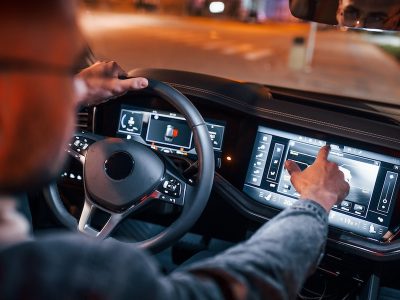
Touchscreen infotainment systems
-
Navigation with real-time traffic updates
-
Smartphone integration
-
Voice-controlled commands
These features transform vehicles into connected environments tailored to driver preferences.
Safety Innovations in the Auto Sector
Reducing Risk Through Automation
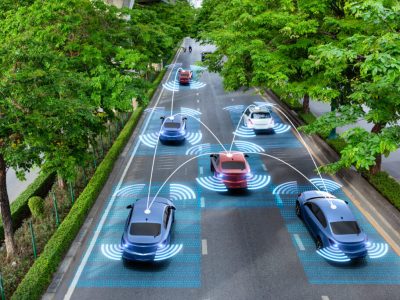
Safety has become a top priority for automakers. Advanced driver assistance systems help reduce accidents and improve road awareness.
Notable safety technologies include:
-
Automatic emergency braking
-
Lane departure warnings
-
Adaptive cruise control
-
Blind-spot monitoring
These systems act as digital co-drivers, supporting safer journeys.
Changing Consumer Preferences
What Modern Buyers Want
Car buyers today value more than horsepower and design. They prioritize efficiency, safety, and long-term value.
Modern purchasing trends highlight demand for:
-
Fuel-efficient or electric options
-
Advanced safety ratings
-
Connected technology
-
Sustainable manufacturing practices
This shift influences how vehicles are designed and marketed globally.
The Future of the Auto Industry
What Lies Ahead
The future of the auto industry points toward autonomous driving, shared mobility, and cleaner energy solutions. Vehicles will increasingly rely on software updates, artificial intelligence, and data-driven systems to improve performance and safety.
Innovation will continue to reshape how people interact with cars, making mobility smarter, safer, and more sustainable.
Frequently Asked Questions (FAQs)
1. What is driving the transformation of the auto industry?
Technological innovation, environmental regulations, and changing consumer expectations are the main drivers.
2. Are electric vehicles suitable for long-distance travel?
Yes, with expanding charging infrastructure and improved battery range, EVs are increasingly viable for long trips.
3. How do smart features improve driving experience?
They enhance convenience, navigation, entertainment, and safety through connected systems.
4. Are modern cars more expensive to maintain?
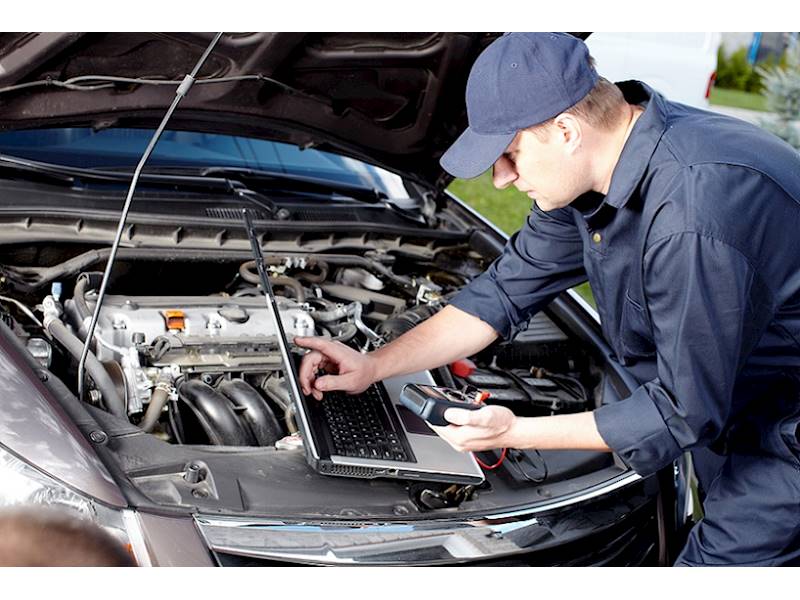
While initial costs may be higher, advanced vehicles—especially EVs—often have lower long-term maintenance expenses.
5. What role does software play in modern automobiles?
Software controls navigation, safety systems, infotainment, and even vehicle performance through updates.
6. Will autonomous cars replace traditional driving?
Fully autonomous vehicles are still evolving, but partial automation is already common and growing.
7. How does sustainability impact car manufacturing?
Manufacturers are using eco-friendly materials, reducing emissions, and focusing on energy-efficient production.