 By
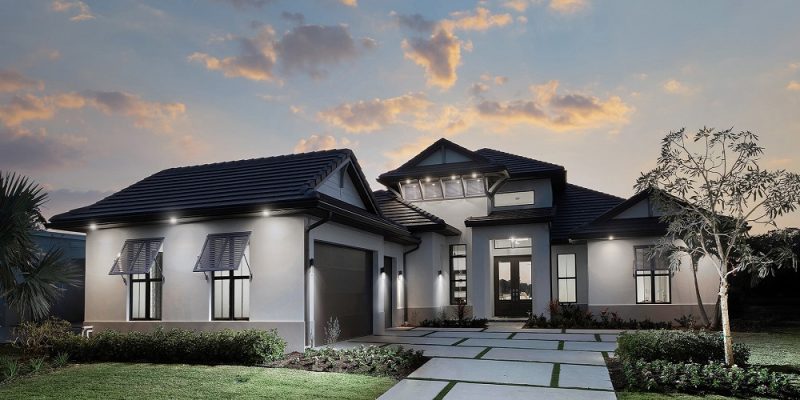
By A home is more than a physical structure. It represents security, belonging, and personal expression. While a house provides shelter, a home is shaped by emotions, memories, and daily experiences. It is the one place where comfort and familiarity come together.
Homes can take many forms, including apartments, villas, cottages, or shared living spaces, but their purpose remains the same: to offer stability and a sense of peace.
The Emotional Importance of Home
Home plays a vital role in emotional well-being. It is where people unwind, connect with loved ones, and recharge after demanding days. A thoughtfully maintained home can significantly influence mental health and overall happiness.
Key emotional benefits include:
-
A sense of safety and privacy
-
Emotional grounding and comfort
-
Stronger family and personal connections
-
Reduced stress and anxiety
Functional Aspects of a Well-Designed Home
Beyond emotions, a home must function efficiently. Practical layouts, proper lighting, and organized spaces contribute to daily ease and productivity.
Essential functional elements of a home:
-
Adequate storage solutions
-
Proper ventilation and natural light
-
Safe electrical and plumbing systems
-
Clearly defined living, working, and resting areas
How to Create a Comfortable Home Environment
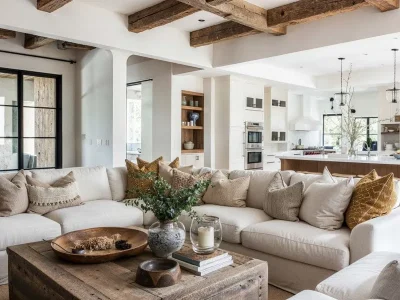
Comfort is not about luxury; it is about thoughtful choices that suit your lifestyle. Even small changes can make a noticeable difference.
Simple ways to improve comfort:
-
Use soft lighting instead of harsh overhead lights
-
Choose furniture that balances style and ergonomics
-
Maintain cleanliness and clutter-free spaces
-
Incorporate personal items like photos, books, or artwork
The Role of Design and Personalization
Interior design allows homeowners to express their personality. Colors, textures, and décor styles influence mood and energy levels.
Popular personalization ideas include:
-
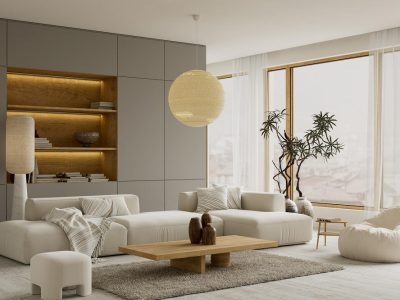
Neutral tones for calmness and balance
-
Indoor plants for freshness and improved air quality
-
Multi-purpose furniture for small spaces
-
Meaningful décor that tells a personal story
Home as a Long-Term Investment
A home is often one of the most valuable investments a person makes. Regular maintenance not only preserves comfort but also increases property value over time.
Smart home investment practices:
-
Routine repairs and inspections
-
Energy-efficient upgrades
-
Durable materials for flooring and fixtures
-
Thoughtful renovations that enhance usability
The Evolving Concept of Home
With remote work and digital lifestyles becoming common, homes now serve multiple roles. They function as offices, learning spaces, and wellness zones in addition to traditional living areas.
Modern homes are designed to adapt, offering flexibility without sacrificing comfort or aesthetics.
Frequently Asked Questions (FAQs)
1. What makes a house feel like a home?
Personalization, emotional connection, comfort, and a sense of safety transform a house into a home.
2. How can I make my home more relaxing?
Use calming colors, soft lighting, natural elements, and minimize clutter to create a peaceful atmosphere.
3. Does home design affect mental health?
Yes, lighting, space organization, and color choices can significantly influence mood and stress levels.
4. What are essential elements every home should have?
Safety features, functional furniture, proper ventilation, and comfortable living areas are essential.
5. How often should a home be maintained?
Basic maintenance should be ongoing, with detailed inspections at least once a year.
6. Can small homes be comfortable?
Absolutely. Smart layouts, multi-purpose furniture, and good organization make small homes highly comfortable.
7. Why is home considered a long-term investment?
A well-maintained home appreciates in value, provides stability, and supports long-term living needs.