 By
By Dental implants have become a routine part of modern restorative dentistry, yet many patients still ask the same question: will they feel like real teeth? In London clinics, that concern is often raised alongside worries about speech, chewing comfort, and long-term reliability. The reality is that implants are designed not simply to replace missing teeth, but to restore the way the mouth functions as a whole.
The Foundation: Integration with the Jawbone
The first reason implants feel natural begins beneath the gumline. Unlike removable dentures or bridges that rely on neighbouring teeth for support, a dental implant is placed directly into the jawbone. Over time, the titanium surface bonds with the bone through a biological process known as osseointegration. This fusion creates a stable base that mirrors the function of a natural tooth root.
When chewing forces travel through the implant into the bone, they are distributed in a way that closely resembles natural tooth function. This stimulation also helps maintain bone density. In contrast, when a tooth is lost and not replaced with an implant, the surrounding bone can gradually resorb. Patients often describe implant-supported teeth as steady and secure because they do not shift or press against the gums in the way removable appliances can.
A cosmetic dentist based at Marylebone Smile Clinic explains that stability is the cornerstone of comfort. He notes that when patients attend for a consultation, clinicians assess bone volume, bite alignment and gum health before planning placement. Those who want to understand the detailed process can visit their website to review step-by-step guidance on assessment and aftercare. According to the clinic, careful planning is what allows the implant to behave like a natural root rather than a foreign object.
For anyone researching options such as a dental implants London providers commonly offer, understanding why implants feel natural can make decision-making easier. The answer lies in biomechanics, materials science, and careful planning rather than cosmetic enhancement alone. Below, a London cosmetic dentist explains eight key reasons why implants integrate so comfortably into daily life, from eating and speaking to smiling with confidence.
This root-level stability is the starting point for every other benefit. Without it, the restoration above would not achieve the same lifelike performance.
Precision in Design and Bite Alignment
The second reason implants feel natural lies in how they are designed to fit the individual bite. Modern digital dentistry allows clinicians to scan the mouth and create highly accurate 3D models. The final crown attached to the implant is shaped and contoured to match the height, width and contact points of neighbouring teeth.
Bite alignment is crucial. If a crown is even slightly too high, patients may feel discomfort or pressure when chewing. In London practices, dentists routinely assess occlusion, which refers to how upper and lower teeth meet. Adjustments are made to ensure that chewing forces are shared evenly across the arch. When this balance is achieved, the implant-supported tooth blends seamlessly into everyday function.
The material used for the visible crown also contributes to comfort. Porcelain and advanced ceramics mimic the translucency and surface texture of natural enamel. They are polished to reduce friction against opposing teeth, minimising wear and preventing irritation. Because the crown is custom-made, it does not feel bulky or artificial.
Speech is another factor influenced by design. Teeth play a role in forming certain sounds, particularly “f”, “v” and “th”. When the implant crown is positioned correctly, speech patterns remain unchanged. Patients often report that after a short adjustment period, they no longer notice the presence of the implant at all.
Gum Health and Aesthetic Harmony
A third reason implants feel natural is the way they interact with the surrounding gum tissue. Healthy gums create a tight, protective seal around a natural tooth, and implants are designed to replicate that relationship. When placed correctly, the implant emerges from the gum in a manner that looks and feels like a real tooth.
The contour of the crown where it meets the gum is carefully shaped to support soft tissue. This helps avoid food trapping and reduces the risk of inflammation. London cosmetic dentists pay particular attention to what is known as the emergence profile, ensuring that the restoration does not appear flat or abrupt at the gumline.
From a sensory perspective, comfortable gum adaptation is vital. If tissue is irritated or poorly contoured, patients become constantly aware of the area. When the fit is precise, the gums settle naturally around the implant, and day-to-day sensations such as brushing and flossing feel familiar.
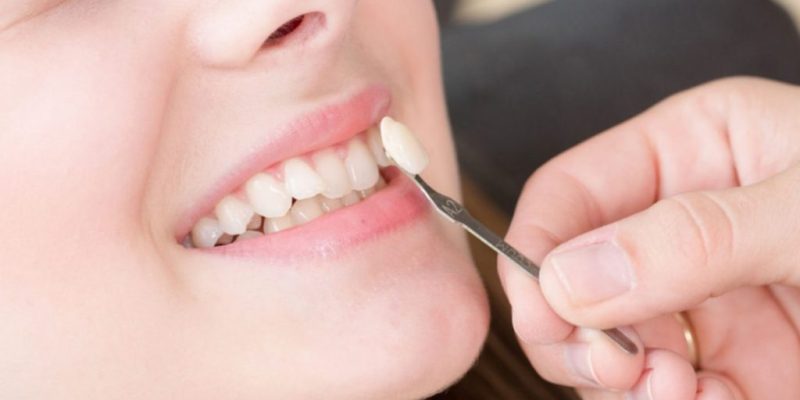
Colour matching also contributes to the sense of authenticity. Modern ceramic systems allow subtle shading that reflects light similarly to natural enamel. The result is not simply an attractive smile but one that looks coherent with the rest of the mouth. This harmony reduces self-consciousness and reinforces the impression that the implant is part of the original dentition.
Preservation of Natural Sensation and Function
Although implants do not contain nerves in the way natural teeth do, they still allow patients to experience a convincing sense of control while chewing. This is the fourth reason implants feel natural. The surrounding bone and periodontal tissues contain sensory receptors that detect pressure and movement. Once the implant integrates, these receptors help guide bite force.
Patients often notice that they can judge how firmly they are biting into food without difficulty. Because the implant is anchored in bone rather than resting on gum tissue, there is no rocking or sliding sensation. This stability allows for confident eating, whether biting into crusty bread or chewing tougher meats.
Another functional advantage is the absence of adhesives or clasps. Removable dentures can alter taste and create a barrier across the palate. Implant-supported crowns do not cover additional areas of the mouth, leaving the tongue and palate free. This contributes to more natural speech and flavour perception.
For those considering options in the capital, choosing a dental implant London clinic with experience in full bite rehabilitation can make a significant difference. A comprehensive assessment ensures that the implant does not overload adjacent teeth and that overall function remains balanced. When the broader bite is respected, the implant becomes part of a coordinated system rather than an isolated fix.
Long-Term Stability and Confidence
The fifth reason implants feel natural is psychological as well as physical. Confidence plays a major role in how we perceive our own bodies. When a restoration feels secure and reliable, the mind quickly accepts it as normal. Implants are designed to be long-term solutions, often lasting many years with proper care.
Unlike dentures, which may require periodic relining due to bone changes, implants help preserve the underlying bone. This reduces the likelihood of shifting fit over time. Patients do not need to remove them at night, and daily cleaning routines mirror those used for natural teeth. Brushing, flossing and routine dental visits remain essential, but no special adhesives or soaking solutions are necessary.
Durability also influences comfort. High-quality implant systems are engineered to withstand substantial chewing forces. Knowing that the restoration is robust reduces anxiety about eating in public or speaking at length. Many patients report that after the initial healing phase, they forget which tooth was replaced.
This sense of permanence contributes to natural integration. The implant becomes part of routine life rather than an object requiring constant attention.
Customisation for Complex Cases
The sixth reason implants feel natural is the level of personalisation available in modern dentistry. No two mouths are identical, and experienced London clinicians adapt treatment to individual anatomy. Factors such as jaw shape, gum thickness and smile line are carefully evaluated before placement.
In some cases, bone grafting or sinus lifting procedures are recommended to create a stable foundation. While this may extend the treatment timeline, it enhances long-term comfort. By ensuring that the implant is placed at the correct depth and angle, dentists can avoid undue pressure on surrounding structures.
For patients missing multiple teeth, implant-supported bridges or full-arch restorations distribute force evenly across several implants. This prevents overloading and improves overall balance. The prosthetic teeth are crafted to complement facial features, taking into account lip support and profile.
Advanced imaging techniques also help avoid vital structures such as nerves and sinuses. Accurate placement reduces post-operative complications and supports a smoother recovery. When treatment is tailored in this way, the final result does not feel generic. Instead, it reflects the patient’s own anatomy, enhancing the impression that the restored teeth have always belonged there.
Integration into Everyday Life
The seventh reason implants feel natural is how seamlessly they fit into daily routines. Eating, speaking, laughing and brushing continue without major adaptation. After the initial healing period, most patients resume normal activities with minimal restrictions.
Oral hygiene around implants mirrors that of natural teeth. Dentists typically recommend soft-bristled brushes and interdental cleaning aids to maintain gum health. Because the implant crown is fixed in place, there is no need to remove it for cleaning. This simplicity reduces disruption and reinforces normal habits.
Socially, implants restore confidence in conversation and smiling. Concerns about slipping dentures or visible gaps are removed. In professional settings, this reassurance can influence how individuals present themselves. The natural appearance of ceramic crowns, combined with stable support, means there is no obvious sign of dental work.
Patients considering a dental implant London treatment often weigh practical considerations such as appointment schedules and recovery time. Once completed, however, the implant becomes a low-maintenance part of life. The absence of ongoing adjustments or replacements contributes to a sustained sense of comfort.
A Balanced Approach to Oral Health
The eighth and final reason implants feel natural is that they are integrated into a broader oral health strategy. Successful outcomes depend on healthy gums, stable neighbouring teeth and regular maintenance. London dentists emphasise that implants are not isolated solutions but part of comprehensive care.
Routine check-ups allow clinicians to monitor gum health around the implant and assess bite changes over time. Professional cleaning helps prevent peri-implant inflammation, which can compromise comfort if left untreated. Patients who maintain consistent oral hygiene typically experience fewer complications and greater long-term satisfaction.
Importantly, implants do not require altering adjacent healthy teeth, unlike some traditional bridge options. Preserving natural tooth structure maintains overall integrity within the mouth. This conservative principle supports both comfort and function.
For individuals exploring restorative options, understanding these eight factors clarifies why implants are widely regarded as the closest substitute for natural teeth. Through secure integration, precise design, gum harmony, preserved function, long-term stability, personalisation, daily practicality and comprehensive care, implants achieve more than cosmetic improvement. They restore a sense of normality that allows patients to focus less on their dentistry and more on living their lives.