 By
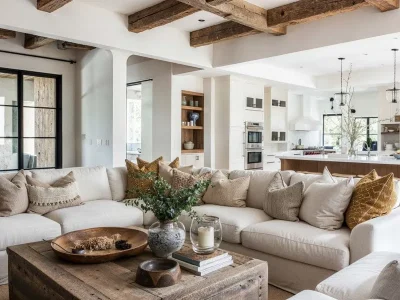
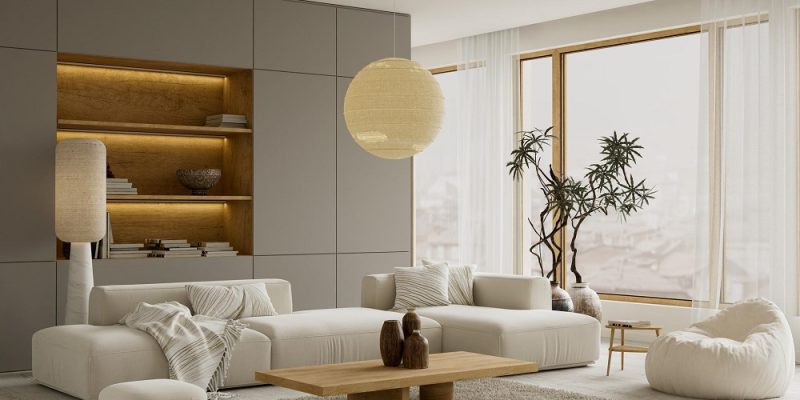
By A comfortable home living space is more than just a well-decorated room—it is a place where relaxation, functionality, and personal expression come together. Whether you live in a large house or a compact apartment, the environment you create inside your home directly influences your mood, productivity, and overall well-being.
Designing a comfortable living space does not necessarily require expensive furniture or elaborate renovations. Instead, thoughtful planning, balanced design elements, and attention to everyday comfort can transform any area into a warm and inviting retreat.
Understanding What Makes a Space Comfortable
Comfort in a living space comes from a combination of physical comfort, emotional connection, and visual harmony. When these factors align, a home feels welcoming and relaxing.
Key elements that contribute to comfort include:
- Proper lighting
- Comfortable seating
- Balanced color schemes
- Functional layout
- Personal decorative touches
- Clean and organized surroundings
Each of these elements plays a role in shaping how people experience a space.
Choosing the Right Furniture
Furniture forms the foundation of a living space. Selecting pieces that support both comfort and practicality ensures the room is pleasant to use daily.
Consider the following tips when choosing furniture:
- Prioritize ergonomic seating: Sofas and chairs should provide proper support.
- Avoid overcrowding: Leave enough walking space between furniture pieces.
- Choose multipurpose furniture: Storage ottomans or foldable tables can maximize space.
- Use soft materials: Upholstery fabrics like cotton, linen, or velvet add warmth.
A well-arranged furniture layout encourages natural movement and conversation within the room.
Creating a Warm and Inviting Color Palette
Color plays a powerful role in shaping the atmosphere of a room. Soft, balanced tones tend to create a calming and comfortable environment.
Popular color choices for cozy living spaces include:
- Neutral shades: Beige, cream, and light gray
- Earthy tones: Terracotta, olive green, and warm browns
- Pastel accents: Soft blue, dusty pink, or lavender
To maintain visual harmony:
- Use a base neutral color for walls.
- Add accent colors through cushions, rugs, or artwork.
- Avoid using too many bold colors in one space.
A balanced palette helps the room feel cohesive rather than overwhelming.
Enhancing Comfort Through Lighting
Lighting dramatically affects how a living space feels. A well-lit room appears more welcoming and functional.
Types of lighting to include
1. Ambient lighting
- Main source of light in the room
- Examples: ceiling fixtures, chandeliers
2. Task lighting
- Provides focused illumination for specific activities
- Examples: reading lamps, desk lamps
3. Accent lighting
- Highlights decorative elements
- Examples: wall lights, LED strips, picture lights
Combining these lighting layers creates a warm and flexible atmosphere suitable for both relaxation and activity.
Adding Texture and Soft Elements
Texture contributes to a sense of warmth and depth within a room. Mixing different materials prevents the space from looking flat or sterile.
Simple ways to add texture include:
- Throw blankets
- Decorative cushions
- Area rugs
- Curtains or drapes
- Upholstered furniture
Natural materials such as wood, wool, and cotton create a softer and more organic environment.
Bringing Nature Indoors
Plants are an effective way to enhance comfort and freshness in a living area. They introduce natural color while improving the visual appeal of the room.
Benefits of indoor plants include:
- Improved air quality
- Reduced stress levels
- Enhanced aesthetic appeal
- A stronger connection to nature
Popular low-maintenance options include:
- Snake plants
- Pothos
- Peace lilies
- Rubber plants
Even a few small plants placed strategically can make a noticeable difference.
Keeping the Space Organized
Clutter can quickly disrupt the comfort of a home. An organized environment allows the room to feel more open and relaxing.
Helpful organization strategies include:
- Use storage baskets or boxes
- Install shelves or wall organizers
- Regularly remove unused items
- Create designated storage areas
Maintaining a tidy space makes daily living more convenient and visually pleasing.
Personalizing the Living Space
A comfortable home should reflect the personality and lifestyle of its occupants. Personal touches create emotional connection and make the space feel uniquely yours.
Ideas for personalizing a room include:
- Family photographs
- Travel souvenirs
- Handmade decorations
- Artwork or framed prints
- Meaningful books or collectibles
These elements transform a standard room into a personal sanctuary filled with memories and identity.
Maintaining a Balanced Layout
A balanced layout ensures the room feels visually stable and easy to navigate.
Consider these design principles:
- Symmetry: Pair similar furniture pieces for a harmonious look.
- Focal points: Use a fireplace, artwork, or TV as a visual anchor.
- Open pathways: Ensure clear movement between seating and exits.
- Proportional furniture: Match furniture size to the room dimensions.
Thoughtful arrangement prevents the room from feeling cramped or chaotic.
Conclusion
Creating a comfortable home living space is about combining functionality, warmth, and personal expression. By choosing supportive furniture, using calming colors, layering lighting, and maintaining an organized layout, any living area can become a welcoming retreat.
Small improvements—such as adding soft textures, incorporating plants, and displaying meaningful items—can dramatically transform the atmosphere of a home. Ultimately, the goal is to design a space where you can relax, recharge, and enjoy everyday life.
Frequently Asked Questions (FAQs)
1. What is the most important element of a comfortable living space?
Comfortable seating and a functional layout are often the most important elements. If a space is easy to use and physically comfortable, it naturally becomes more inviting.
2. How can I make a small living room feel more comfortable?
Use light colors, multipurpose furniture, mirrors, and proper lighting to create a sense of openness. Keeping clutter minimal also helps the room feel larger.
3. Do indoor plants really improve home comfort?
Yes. Indoor plants add visual freshness, improve air quality, and create a calming atmosphere that enhances overall comfort.
4. What type of lighting works best for a cozy home?
Layered lighting works best. Combining ambient, task, and accent lighting allows you to adjust the mood and functionality of the room.
5. How often should I update my living space decor?
Minor updates such as changing cushions, rugs, or artwork every 6–12 months can keep the space feeling fresh without requiring major redesign.
6. Can comfortable living spaces be created on a budget?
Absolutely. Rearranging furniture, decluttering, adding affordable textiles, and incorporating plants can significantly improve comfort without large expenses.
7. Why is decluttering important for comfort?
A clutter-free space reduces visual stress and makes rooms easier to navigate, creating a more peaceful and relaxing environment.