 By
By Connected cars are transforming how people interact with vehicles and the roads around them. Instead of operating as isolated machines, modern vehicles now communicate with networks, infrastructure, smartphones, and even other vehicles. This integration enables smart driving, a system where data, sensors, and connectivity work together to improve safety, efficiency, and the overall driving experience.
The rise of Internet of Things (IoT) technology, cloud computing, and advanced sensors has accelerated the development of connected vehicles. These systems collect real-time data and provide drivers with intelligent assistance that was unimaginable just a decade ago.
What Are Connected Cars?
A connected car is a vehicle equipped with internet connectivity and communication technologies that allow it to interact with external systems. These systems may include other vehicles, road infrastructure, traffic management systems, and mobile devices.
Connected vehicles rely on technologies such as:
- Embedded SIM cards (eSIM) or wireless modules
- Vehicle-to-Everything (V2X) communication
- GPS and telematics systems
- Cloud-based data processing
- Advanced sensors and cameras
Together, these technologies enable vehicles to collect, process, and exchange data in real time.
How Smart Driving Works
Smart driving combines connectivity with intelligent software to assist drivers in making safer and more efficient decisions.
Key components include:
1. Real-Time Data Collection
Connected cars constantly gather data through sensors, cameras, and radar systems. This information includes:
- Vehicle speed and location
- Road conditions
- Traffic density
- Weather conditions
- Driver behavior
2. Data Processing Through Cloud Platforms
Collected data is transmitted to cloud servers where it is analyzed. The results are then sent back to the vehicle, enabling features like traffic alerts, predictive navigation, and safety warnings.
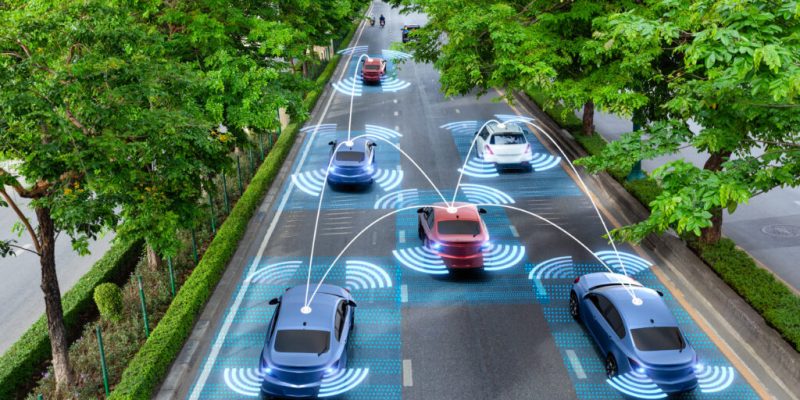
3. Vehicle-to-Everything (V2X) Communication
V2X technology allows cars to communicate with:
- Other vehicles (V2V) to prevent collisions
- Infrastructure (V2I) such as traffic signals
- Pedestrians (V2P) through mobile devices
- Networks (V2N) for real-time updates
This connectivity forms a cooperative driving ecosystem.
Key Features of Connected Cars
Modern connected vehicles include a wide range of smart capabilities designed to enhance the driving experience.
Advanced Navigation Systems
Smart navigation tools use live traffic data to recommend the fastest routes. Drivers receive updates on accidents, road closures, and congestion in real time.
Remote Vehicle Access
Drivers can control certain functions of their vehicles through mobile apps. These include:
- Locking or unlocking doors
- Starting the engine remotely
- Monitoring fuel or battery levels
- Tracking vehicle location
Over-the-Air (OTA) Updates
Software updates can be delivered wirelessly, allowing manufacturers to improve vehicle performance and add new features without requiring a service visit.
Predictive Maintenance
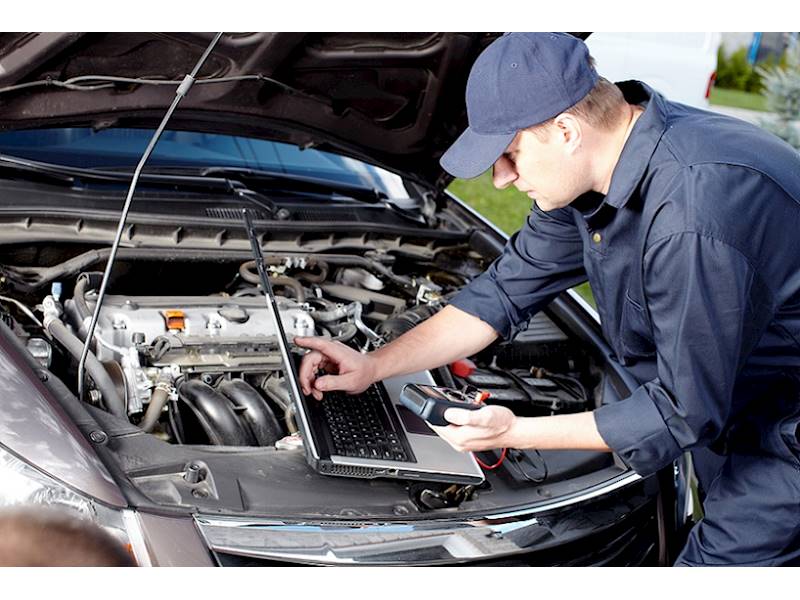
Connected vehicles monitor engine health and system performance. Drivers receive alerts when maintenance is required, reducing the risk of sudden breakdowns.
Integrated Infotainment
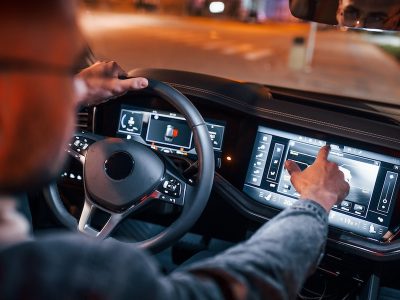
Connected systems link smartphones, music streaming platforms, and voice assistants to the vehicle’s infotainment interface.
Benefits of Smart Driving
The integration of connectivity and intelligent systems provides numerous advantages for drivers and transportation systems.
Improved Road Safety
Smart driving systems can detect hazards, warn drivers, and even apply automatic braking to prevent accidents.
Reduced Traffic Congestion
Real-time communication between vehicles and infrastructure helps optimize traffic flow and reduce bottlenecks.
Better Fuel Efficiency
Smart navigation and adaptive cruise control help maintain optimal speeds, improving fuel consumption.
Enhanced Driving Experience
Drivers gain access to entertainment, navigation, and vehicle controls in one seamless digital environment.
Environmental Impact
Connected vehicles can reduce emissions by optimizing routes, minimizing idle time, and supporting electric vehicle management.
Challenges of Connected Cars
Despite their benefits, connected vehicles also present several challenges.
Cybersecurity Risks
Because connected cars rely on internet connectivity, they may be vulnerable to cyberattacks if security systems are not robust.
Data Privacy Concerns
Vehicles collect significant amounts of user data. Protecting this information is essential to maintaining consumer trust.
Infrastructure Requirements
Smart driving relies on high-speed networks, smart traffic systems, and advanced road infrastructure, which are not yet available in all regions.
High Development Costs
Developing and integrating connected vehicle technology requires significant investment from automakers and technology companies.
The Future of Connected Cars
Connected cars are a key step toward the development of fully autonomous vehicles. As artificial intelligence and 5G connectivity continue to evolve, vehicles will become increasingly capable of making independent driving decisions.
Future developments may include:
- Vehicle platooning, where cars travel in coordinated groups
- Fully automated traffic management systems
- AI-powered driver monitoring
- Smart city integration
As these technologies mature, connected cars will play a central role in building safer and more efficient transportation networks.
Frequently Asked Questions (FAQs)
1. What is the difference between a connected car and a smart car?
A connected car refers to a vehicle that can communicate with external systems through the internet. A smart car generally refers to vehicles with intelligent features such as driver assistance, automation, or AI-based systems. Many modern vehicles combine both concepts.
2. Do connected cars require internet access all the time?
Most connected vehicle features rely on internet connectivity, but some functions—such as local driver assistance systems—can still operate without a constant connection.
3. Are connected cars safe from hackers?
Automakers implement encryption, secure software updates, and cybersecurity systems to protect vehicles. However, maintaining strong digital security remains an ongoing challenge.
4. Can connected cars reduce accidents?
Yes. Features like collision warnings, lane-keeping assistance, and vehicle-to-vehicle communication can help prevent accidents by alerting drivers to potential dangers.
5. Do connected cars collect personal data?
Connected vehicles may collect data such as driving patterns, location information, and vehicle performance metrics. Automakers must follow privacy regulations when handling this data.
6. How do connected cars communicate with traffic signals?
Using vehicle-to-infrastructure (V2I) technology, cars can exchange data with traffic lights and road sensors to receive timing information and traffic updates.
7. Will connected cars lead to fully autonomous driving?
Connected car technology is an important step toward autonomous vehicles, but full self-driving capability requires additional advancements in artificial intelligence, sensors, and regulations.