 By
By Education is undergoing a profound transformation. Rapid technological advancements, shifting workforce demands, and new learning philosophies are reshaping how knowledge is delivered and absorbed. Classrooms today are no longer confined to physical spaces or traditional teaching methods. Instead, they are evolving into dynamic, technology-enabled environments designed to foster creativity, collaboration, and lifelong learning.
As schools and institutions adapt to a changing world, several emerging trends are redefining the future of education globally.
Digital Classrooms and Smart Learning Environments
The traditional chalk-and-board classroom is rapidly being replaced by digitally enhanced learning spaces. Interactive technologies allow educators to deliver lessons that are more engaging and accessible than ever before.
Key features of digital classrooms
- Interactive whiteboards and smart displays that allow real-time collaboration
- Cloud-based learning platforms enabling access to materials anytime
- Multimedia content such as videos, simulations, and interactive quizzes
- Virtual classrooms connecting students and teachers across geographical boundaries
These tools help personalize instruction while making lessons more immersive and interactive. Students can participate in discussions, solve problems collaboratively, and access resources beyond textbooks.
Personalized Learning Through Artificial Intelligence
One of the most transformative developments in education is artificial intelligence–powered personalized learning. AI tools analyze student behavior, progress, and learning styles to tailor lessons to individual needs.
Benefits of AI-driven learning
- Adaptive learning paths that adjust difficulty levels automatically
- Real-time performance analytics for teachers and students
- Automated tutoring systems offering instant feedback
- Identification of knowledge gaps before they become learning barriers
Rather than a one-size-fits-all approach, AI helps create custom learning journeys, allowing students to progress at their own pace.
Hybrid and Remote Learning Models
The global shift toward remote education accelerated the adoption of hybrid learning models, where in-person teaching is combined with online instruction.
Characteristics of hybrid education
- Combination of physical classrooms and online platforms
- Recorded lectures for flexible review
- Online discussion forums and collaboration tools
- Digital assignments and assessments
Hybrid learning improves accessibility for students who may face geographical, financial, or physical limitations. It also prepares learners for a future where remote work and digital collaboration are common.
Project-Based and Experiential Learning
Education systems are increasingly prioritizing hands-on learning experiences rather than memorization-based teaching.
Why experiential learning matters
- Encourages critical thinking and problem-solving
- Builds teamwork and communication skills
- Helps students apply theoretical knowledge to real-world situations
- Promotes deeper engagement and retention
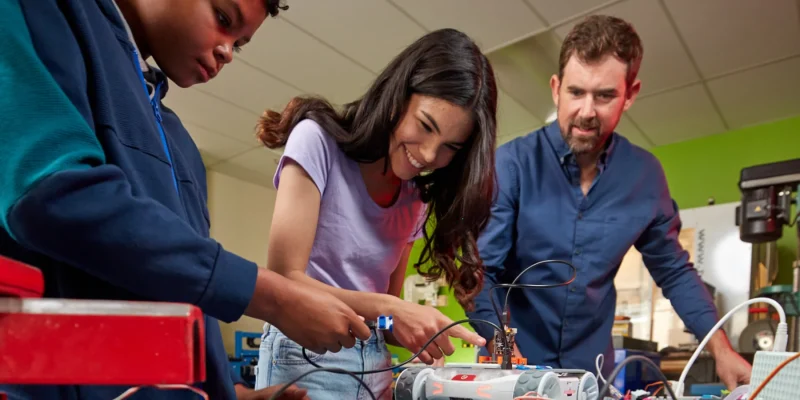
Examples include robotics projects, community problem-solving initiatives, science experiments, and entrepreneurship programs. These activities help students develop practical competencies required in modern careers.
Global Classrooms and Cross-Cultural Learning
Technology has made it possible for students to learn alongside peers from different countries. Virtual exchanges, global projects, and international classrooms foster cross-cultural awareness and collaboration.
Opportunities created by global learning
- Collaborative projects between schools worldwide
- Exposure to diverse perspectives and cultures
- Development of global citizenship skills
- Language learning through real-world interaction
Such initiatives prepare students to operate in an increasingly interconnected world.
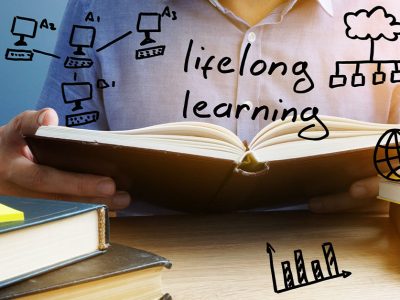
Lifelong Learning and Skills-Based Education
The future job market is evolving rapidly, making continuous learning essential. Education is shifting from degree-focused systems toward skills-based learning pathways.
Emerging learning models
- Micro-credentials and digital certificates
- Short-term skill programs and bootcamps
- Online courses accessible worldwide
- Corporate learning partnerships with universities
This approach enables learners to update their skills throughout their careers rather than relying solely on traditional degrees.
The Role of Teachers in Future Classrooms
Despite technological innovations, teachers remain central to the educational process. However, their role is evolving from information providers to mentors, facilitators, and learning designers.
Future educators will focus on:
- Guiding students through complex problem-solving
- Supporting emotional and social development
- Curating digital resources and learning tools
- Encouraging creativity and independent thinking
Technology enhances teaching, but human mentorship and empathy remain irreplaceable in education.
Challenges Facing the Future of Education
While the transformation of education offers immense benefits, it also presents challenges that institutions must address.
Key concerns
- Digital divide limiting access to technology
- Data privacy issues in AI-driven learning systems
- Need for teacher training in educational technology
- Balancing screen time with traditional learning methods
Addressing these challenges will be essential to ensure equitable and effective education systems worldwide.
Conclusion
The future of education is being shaped by innovation, technology, and new pedagogical philosophies. Digital classrooms, AI-powered personalization, hybrid learning, and experiential teaching methods are transforming how students learn and how teachers instruct.
As these trends continue to evolve, the goal remains the same: to create inclusive, engaging, and effective learning environments that prepare students for the complexities of the modern world. Education is no longer just about acquiring knowledge—it is about developing the skills, adaptability, and curiosity needed for lifelong growth.
Frequently Asked Questions (FAQs)
1. How will technology change the traditional classroom in the future?
Technology will introduce interactive learning tools, virtual classrooms, and digital resources that make lessons more engaging and accessible while enabling collaboration beyond physical classrooms.
2. What is personalized learning and why is it important?
Personalized learning adapts teaching methods and materials to match each student’s learning pace, strengths, and needs, improving engagement and academic outcomes.
3. Will online education replace traditional schools?
Online education is unlikely to fully replace traditional schools, but hybrid learning models combining digital and in-person instruction will become more common.
4. What skills will students need in future classrooms?
Students will need critical thinking, creativity, digital literacy, collaboration, and adaptability to succeed in future workplaces.
5. How can schools reduce the digital divide in education?
Schools can address the digital divide by providing affordable devices, improving internet access, and implementing inclusive technology policies.
6. What role will teachers play in technology-driven education?
Teachers will act as mentors, facilitators, and learning designers who guide students through personalized learning experiences supported by technology.
7. Why is experiential learning becoming more popular?
Experiential learning helps students apply knowledge through real-world projects and hands-on activities, improving understanding and skill development.