 By
By Education is more than the transfer of knowledge; it is the foundation upon which societies grow, innovate, and sustain progress. In a rapidly changing world, education equips individuals with the skills, values, and critical thinking needed to navigate complexity and contribute meaningfully to their communities.
The Evolving Meaning of Education
Traditionally, education focused on literacy, numeracy, and subject-based learning. Today, its scope has expanded to include life skills, adaptability, creativity, and emotional intelligence. Learning is no longer confined to classrooms or limited to early life stages; it has become a lifelong process.
Modern education emphasizes:
-
Critical thinking over rote memorization
-
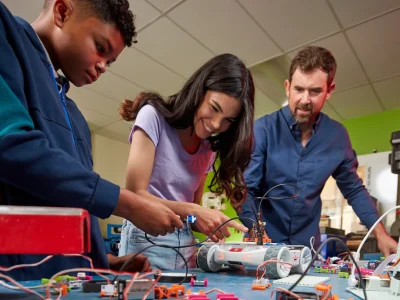
Problem-solving in real-world contexts
-
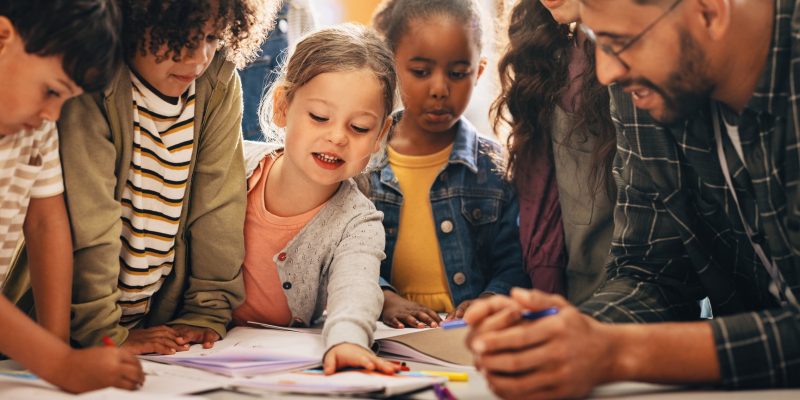
Collaboration and communication skills
-
Ethical and social responsibility
The Role of Education in Personal Development
Education plays a central role in shaping identity and personal growth. Beyond academic achievement, it helps individuals understand themselves and the world around them.
Key personal benefits include:
-
Improved decision-making and reasoning abilities
-
Enhanced self-confidence and independence
-
Greater awareness of cultural and social diversity
-
Stronger communication and interpersonal skills
Through education, learners develop the capacity to question assumptions and form informed opinions.
Education and Economic Growth
A well-educated population is closely linked to economic stability and innovation. Education increases employability, productivity, and income potential while reducing poverty and inequality.
How education strengthens economies:
-
Creates a skilled workforce aligned with market needs
-
Encourages entrepreneurship and innovation
-
Attracts investment and technological advancement
-
Improves workforce adaptability during economic shifts
Countries that invest consistently in education tend to experience sustainable long-term growth.
Technology’s Impact on Education
Technology has transformed how education is delivered and accessed. Digital tools have removed geographical barriers and introduced flexible learning models.
Major technological contributions:
-
Online learning platforms and virtual classrooms
-
Personalized learning through data-driven insights
-
Access to global educational resources
-
Interactive tools that enhance engagement
While technology expands opportunities, balanced integration is essential to maintain human connection and inclusivity.
Challenges Facing Modern Education
Despite progress, education systems worldwide face persistent challenges that require thoughtful solutions.
Common challenges include:
-
Unequal access to quality education
-
Outdated curricula that lag behind societal needs
-
Teacher shortages and limited training resources
-
Overreliance on standardized testing
Addressing these issues requires collaboration between governments, educators, communities, and policymakers.
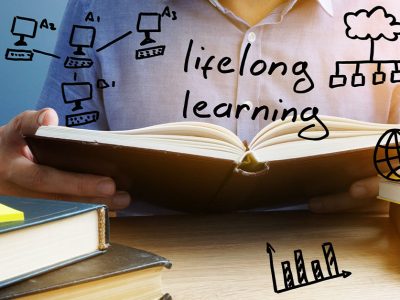
The Importance of Lifelong Learning
In an era of rapid change, learning cannot stop at graduation. Lifelong learning allows individuals to adapt to new careers, technologies, and societal demands.
Continuous education supports:
-
Career resilience in evolving job markets
-
Personal fulfillment and intellectual curiosity
-
Active participation in civic and social life
Learning, at every stage of life, strengthens both individuals and societies.
Conclusion
Education remains one of the most powerful tools for personal empowerment and social progress. By evolving with the needs of learners and embracing innovation while preserving core human values, education can continue to shape a more informed, equitable, and resilient world.
Frequently Asked Questions (FAQs)
1. Why is education considered essential for society?
Education fosters informed citizens, promotes economic growth, and supports social cohesion by encouraging understanding and shared values.
2. How does education influence critical thinking?
Education teaches individuals how to analyze information, evaluate evidence, and form reasoned conclusions rather than accepting ideas at face value.
3. What is the difference between formal and informal education?
Formal education follows structured curricula in institutions, while informal education occurs through life experiences, self-study, and social interaction.
4. Can technology fully replace traditional classrooms?
Technology enhances learning but cannot fully replace human interaction, mentorship, and social development provided by physical classrooms.
5. How does education help reduce inequality?
Accessible education creates opportunities for upward mobility, empowering individuals from diverse backgrounds to improve their circumstances.
6. What skills are most important in modern education?
Critical thinking, communication, adaptability, digital literacy, and emotional intelligence are among the most valued skills today.
7. How can individuals continue learning outside formal education?
Self-paced online courses, reading, professional workshops, mentorship, and practical experiences all support ongoing learning.